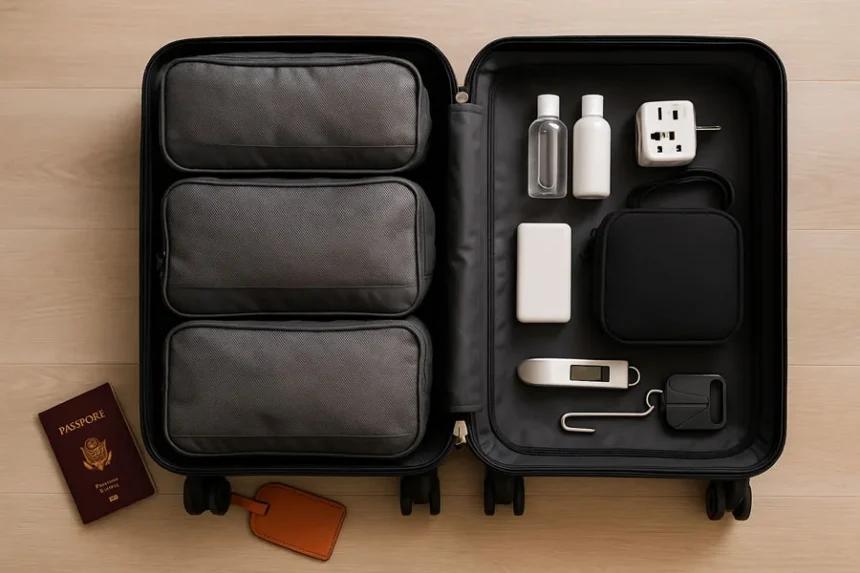
A week in Poland can involve exploring Kraków’s historic streets, visiting Warsaw’s museums, taking train journeys between cities, and spending long afternoons discovering local restaurants and cafés. The right travel accessories make these experiences easier without adding unnecessary weight to your suitcase.
For travelers coming from the United States, a few details deserve extra attention. American electronics may need a compatible plug adapter, your phone may be essential for navigation and digital tickets, and a city-focused itinerary can involve considerably more walking than you expect.
The good news is that you don’t need a suitcase full of travel gadgets. A reliable European plug adapter, comfortable walking shoes, a portable charger, and a practical day bag will cover many everyday needs.
This guide covers 12 useful travel accessories, explains their advantages and disadvantages, and includes Amazon.com shopping links where you can compare suitable products. Product availability, prices, and specifications can change, so check the latest listing before purchasing.
Quick Comparison: Best Travel Accessories for Poland
| Travel accessory | Why you need it | Priority |
|---|---|---|
| European plug adapter | Connects compatible US plugs to Polish outlets | Essential |
| USB-C wall charger | Charges compatible electronics | Essential |
| Portable power bank | Keeps your phone charged while sightseeing | High |
| Packing cubes | Organizes clothes inside your luggage | High |
| Comfortable walking shoes | Helps during long sightseeing days | Essential |
| Compact rain jacket or umbrella | Provides protection when the weather changes | High |
| Crossbody travel bag | Keeps daily essentials organized | High |
| Luggage tracker | Helps locate misplaced luggage | Useful |
| Reusable water bottle | Carries water during excursions | Useful |
| Passport organizer | Keeps travel documents together | Useful |
| Foldable tote or daypack | Adds carrying space for day trips | Useful |
| Sleep mask and earplugs | Improves comfort during flights and hotel stays | Optional |
These recommendations suit a typical city-focused trip. If you’re visiting Poland in winter, hiking in the mountains, or traveling with children, adjust the list to match your itinerary.
1. European Plug Adapter and USB-C Charger
Best for: Every traveler bringing electronics from the United States.
A travel adapter is one of the first accessories to consider when planning a trip to Poland. American plugs generally won’t fit the European-style outlets used there.
Poland’s electrical supply is nominally 230 volts at 50 Hz. A compatible plug adapter lets you connect a device to a suitable outlet, but it does not convert the voltage.
Before purchasing, check the input specifications printed on your phone charger, laptop adapter, camera charger, and other electronics. Be particularly careful with US-only hair dryers and curling irons.
Recommended product type: A compact European plug adapter paired with a USB-C Power Delivery charger.
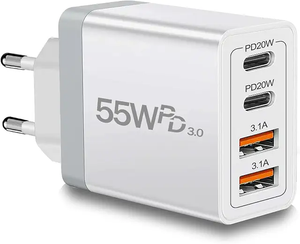
Browse European travel adapters on Amazon.com
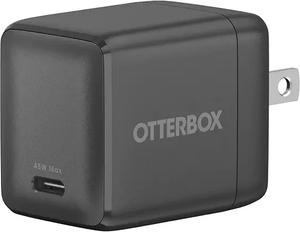
Browse USB-C wall chargers on Amazon.com
What to look for:
- Compatibility with Polish outlets, including Type E sockets.
- USB-C ports for compatible phones, tablets, and laptops.
- Enough charging ports for your devices.
- A compact design that fits easily into your luggage.
Pros
- Useful throughout your stay.
- A multiport charger can reduce the number of charging bricks you carry.
- A European adapter may also be useful on future trips, depending on your destinations.
Cons
- Some universal adapters are bulky.
- Basic adapters may not include USB charging ports.
- Voltage-sensitive appliances may require a different solution.
Buying advice: For a one-week trip, a small European adapter and a quality charger are often more practical than a large universal adapter with features you won’t use.
2. Portable Power Bank for Navigation and Photos
Best for: Travelers who use their phones for maps, translation, photography, and digital tickets.
Your phone may serve as your camera, navigation system, boarding-pass wallet, and restaurant guide throughout your trip. That makes a portable charger particularly useful when you spend the entire day exploring a city.
A power bank in the 10,000mAh class is a reasonable starting point for many smartphone users. Travelers who need to charge several devices may prefer a larger capacity, although bigger models add weight.

Browse 10,000mAh USB-C power banks on Amazon.com
What to look for:
- USB-C input and output.
- Capacity appropriate for your phone and daily usage.
- A clear battery indicator.
- Charging speeds compatible with your devices.
- A size you can comfortably carry.
Pros
- Provides backup power during long sightseeing days.
- Reduces the need to search for public charging outlets.
- Useful on trains, at airports, and during day trips.
Cons
- Adds weight to your day bag.
- Needs to be recharged itself.
- Large models may be unnecessary for light phone users.
Important flight advice: Spare lithium batteries and power banks generally need to travel in carry-on baggage rather than checked baggage. Additional restrictions apply to higher-capacity batteries, and airline rules may be stricter. Check the current requirements with your airline and the FAA’s PackSafe guidance.
Who should buy one? Anyone who regularly uses their phone throughout the day. If your phone has excellent battery life and you return to your hotel frequently, a smaller model may be sufficient.
3. Packing Cubes for a Seven-Day Wardrobe
Best for: Carry-on travelers and anyone changing hotels during the trip.
Packing cubes divide clothes into separate compartments, making it easier to find what you need without unpacking your entire suitcase.
For a week in Poland, you could use one cube for tops, another for trousers, and a smaller one for underwear and socks. A separate laundry bag helps keep worn clothing away from clean items.
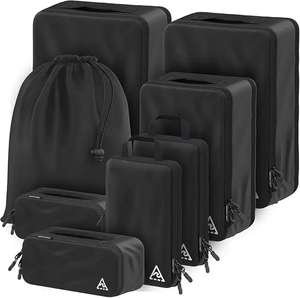
Browse travel packing cubes on Amazon.com
What to look for:
- Lightweight fabric.
- Reliable zippers.
- Several practical sizes.
- A shape that fits your suitcase.
- Compression features if saving space is important to you.
Pros
- Keeps clothing organized.
- Makes hotel changes easier.
- Helps separate clean and worn items.
Cons
- Cubes take up some space even when empty.
- Compression doesn’t reduce luggage weight.
- Overfilled cubes can wrinkle clothing and make suitcases harder to close.
Buying advice: A modest set is generally enough for seven days. You don’t need multiple organizer sets unless you’re packing for several people.
4. Comfortable Walking Shoes and Blister-Care Supplies
Best for: Travelers exploring historic city centers on foot.
Comfortable footwear can have a bigger impact on your trip than almost any electronic accessory. Exploring Kraków’s Old Town or walking between museums and restaurants in Warsaw may involve several hours on your feet.
Choose shoes that already fit well and have been worn comfortably. Consider bringing a second pair if you expect rain, want a dressier option, or prefer alternating shoes during long days.
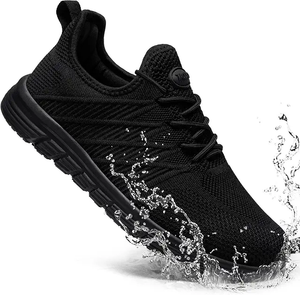
Browse comfortable walking shoes on Amazon.com

Browse blister prevention bandages on Amazon.com
What to look for:
- A comfortable fit with enough room for your toes.
- Good grip on wet pavement.
- Cushioning that suits your walking style.
- Breathable materials for warmer weather.
- Weather-resistant construction if needed.
Pros
- Improves comfort during sightseeing.
- Versatile shoes can work for casual dinners as well as daytime walks.
- Blister supplies take very little room.
Cons
- Waterproof footwear may feel warm in mild weather.
- New shoes can cause blisters.
- Carrying two pairs takes up additional space.
Buying advice: You generally don’t need hiking boots for an ordinary city break. If your itinerary includes mountain trails in the Tatras, choose footwear appropriate for the terrain instead.
5. Compact Rain Jacket or Travel Umbrella
Best for: Travelers visiting in spring, fall, or any season when rain is possible.
Weather can affect walking tours, outdoor attractions, and day trips. A lightweight rain jacket or compact umbrella gives you flexibility without requiring a bulky coat.
You don’t necessarily need both.
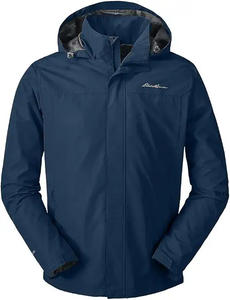
Browse packable rain jackets on Amazon.com

Browse compact travel umbrellas on Amazon.com
| Option | Main advantage | Main limitation |
|---|---|---|
| Packable rain jacket | Keeps your hands free while walking | Can feel warm in mild weather |
| Compact umbrella | Convenient for short showers | Less useful in strong winds |
| Waterproof shell | Better suited to extended outdoor activities | May cost more than a basic umbrella |
Pros
- Helps you continue sightseeing when conditions change.
- Packable options take relatively little space.
- A rain jacket can also provide wind protection.
Cons
- Umbrellas can be awkward on crowded public transportation.
- Lightweight jackets vary in breathability.
- Cold or prolonged wet weather may require more substantial clothing.
Buying advice: Choose according to your itinerary and the forecast. A compact umbrella is reasonable for city sightseeing, while a waterproof shell is more versatile for longer outdoor walks.
6. Secure Crossbody Travel Bag
Best for: Travelers carrying a phone, wallet, sunglasses, and daily essentials.
A compact crossbody bag can be easier to manage than a full backpack when visiting museums, cafés, and busy city centers. It keeps frequently used items accessible without requiring you to carry your entire travel bag.

Browse travel crossbody bags on Amazon.com
What to look for:
- Zippers that close securely.
- An adjustable, comfortable strap.
- A practical internal layout.
- Enough room for your everyday essentials.
- Water-resistant material if useful for your trip.
Pros
- Keeps daily necessities together.
- Makes it easy to access your phone and wallet.
- Can be more comfortable than a large backpack for short outings.
Cons
- Small bags may not fit a water bottle or extra layer.
- Specialized security features can increase the price.
- No bag can guarantee protection against theft.
Who is this best for? Solo travelers, couples exploring cities on foot, and anyone who prefers carrying less.
Buying advice: Choose a bag that fits your actual belongings. Keep valuables secured, avoid leaving your bag unattended, and don’t rely on anti-theft marketing claims as a guarantee of security.
7. Luggage Tracker and Identification Tag
Best for: Travelers checking suitcases or taking connecting flights.
A luggage tracker can help you locate a misplaced bag through a compatible tracking network. It can also help distinguish your suitcase from similar-looking luggage.
Apple’s AirTag works with Apple’s Find My network. Other tracking devices use different systems, so check compatibility with your phone before purchasing.

Browse Apple AirTags on Amazon.com

Browse alternative luggage trackers on Amazon.com
Pros
- Provides another way to locate misplaced belongings.
- Small and easy to pack.
- Can help identify your suitcase.
Cons
- Tracking performance depends on the device and its network.
- Location updates are not always live.
- Batteries require checking or replacement depending on the model.
Buying advice: If you already own a compatible tracker, use it rather than purchasing a new one just for Poland. Add a conventional luggage tag as a backup.
A tracker doesn’t replace your airline’s baggage-claim process if your suitcase goes missing.
8. Reusable Water Bottle
Best for: Travelers spending long days outdoors.
A reusable bottle is useful for sightseeing, parks, train journeys, and day trips. A lightweight model is often more practical than a heavy insulated bottle when luggage weight matters.

Browse reusable water bottles on Amazon.com
What to look for:
- A leak-resistant lid.
- A comfortable size for your bag.
- Easy cleaning.
- Lightweight construction.
- Insulation if you prefer to keep drinks cold.
Pros
- Reduces the need to buy drinks throughout the day.
- Can be refilled when a suitable drinking-water source is available.
- Useful on flights and train journeys.
Cons
- Takes up space when full.
- Must be emptied before airport security when required.
- Insulated steel bottles may be heavier than plastic alternatives.
Buying advice: A bottle you already own may be enough. Buy a specialized travel model only if you need a particular size, lid, or insulation feature.
9. Passport Organizer and Document Backup
Best for: International travelers managing several bookings and documents.
A passport organizer can hold your passport, boarding passes, travel documents, and a small number of payment cards. It can be useful when you have connecting flights or multiple reservations.

Browse passport holders and travel organizers on Amazon.com
Pros
- Keeps important documents together.
- Makes airport transitions easier.
- Provides a convenient place for printed reservation details.
Cons
- Bulky organizers can be unnecessary.
- RFID-blocking material isn’t essential for every traveler.
- Keeping all your valuables in one place creates a single point of loss.
Buying advice: Choose a slim organizer that closes securely. Keep digital backups of important documents in a secure account, and store backup information separately from the originals.
US travelers should review the latest US Department of State travel information for Poland before departure. Entry requirements and travel guidance can change.
10. Foldable Tote or Lightweight Daypack
Best for: Travelers planning shopping trips, excursions, or long sightseeing days.
A foldable tote adds carrying space without requiring another full-size bag in your suitcase. It can hold snacks, a sweater, souvenirs, or groceries.
A lightweight daypack is more suitable if you expect to carry a water bottle, camera, rain jacket, and other items for several hours.

Browse foldable travel tote bags on Amazon.com
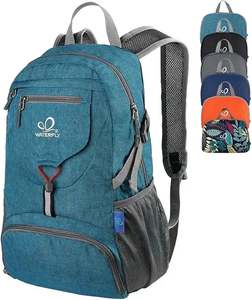
Browse lightweight daypacks on Amazon.com
Pros
- Adds flexible storage when needed.
- Packs into a small space.
- Can serve as a shopping bag or secondary day bag.
Cons
- Thin fabric may offer little protection for electronics.
- Some totes don’t have zippers.
- An extra bag can encourage you to carry more than necessary.
Buying advice: Choose one option unless you have a specific reason to bring both. A zippered tote suits casual city trips, while a supportive daypack is better for longer walks.
11. Sleep Mask and Earplugs
Best for: Long-haul flights, light sleepers, and travelers staying in unfamiliar accommodations.
A sleep mask blocks light, while earplugs can reduce some surrounding noise during a flight or overnight stay. These small accessories are especially useful if you’re sensitive to cabin lighting or staying in a busy central area.

Browse travel sleep masks on Amazon.com
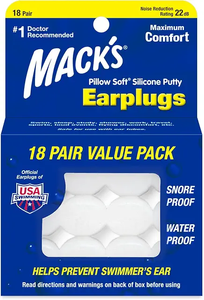
Browse reusable earplugs on Amazon.com
Pros
- Lightweight and easy to carry.
- Useful on flights and future trips.
- Often inexpensive compared with larger travel gadgets.
Cons
- Earplugs don’t eliminate every sound.
- Some masks can feel uncomfortable during extended use.
- Travelers who sleep easily may not need them.
Buying advice: Try your sleep mask and earplugs before traveling. Comfort matters more than buying an elaborate sleep kit.
12. Electronics Organizer and Charging Cables
Best for: Travelers bringing several electronic devices.
If your phone, earbuds, smartwatch, camera, and tablet all need charging, a small electronics pouch can prevent cables from becoming tangled at the bottom of your suitcase.
For someone carrying only a phone and one charger, a simple zippered pocket may be enough.
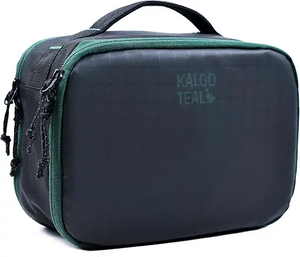
Browse electronics travel organizers on Amazon.com
What to look for:
- Compact dimensions.
- Separate cable compartments.
- A secure zipper.
- Enough space for your actual chargers and cables.
- Lightweight construction.
Pros
- Keeps cables and chargers together.
- Makes accessories easier to find.
- Helps prevent small items from getting lost among clothing.
Cons
- Large organizers can add unnecessary bulk.
- Extra compartments may encourage overpacking.
- A separate pouch isn’t essential for every traveler.
Buying advice: Pack the cables you need, plus a suitable spare if your phone is essential for navigation and travel documents. Check connector compatibility before leaving home.
What Should You Skip When Packing for Poland?
A useful packing list is as much about what you leave at home as what you bring.
| Item | Why you may not need it |
|---|---|
| Large universal adapter with numerous ports | A smaller adapter and charger may cover your devices |
| Multiple packing-cube sets | A modest set can organize a seven-day wardrobe |
| New, untested shoes | They may cause blisters during long walks |
| Heavy backpack for ordinary sightseeing | A small crossbody bag or daypack may be more comfortable |
| A separate gadget for every minor inconvenience | A few versatile accessories already cover many needs |
| Expensive RFID-blocking wallet solely for Poland | Secure storage and sensible handling matter more than an extra feature |
| Oversized power bank | Extra weight may not be worthwhile if you need only occasional backup charging |
The guiding principle is simple: choose accessories that solve a genuine problem on your itinerary rather than buying products just because they look useful.
A Practical Seven-Day Packing Strategy
For a typical week split between cities such as Warsaw and Kraków, start with this checklist.
Electronics
- European plug adapter compatible with Polish outlets.
- USB-C charger and required cables.
- Portable power bank if needed.
- Offline maps and important tickets saved on your phone.
Daily essentials
- Comfortable, broken-in walking shoes.
- Small crossbody bag or daypack.
- Reusable water bottle.
- Compact rain protection.
Luggage and documents
- Packing cubes or simple clothing organizers.
- Passport and required travel documents.
- Digital document backups.
- Luggage tag and optional tracker.
Adjust your accessories for the season
Spring: Prioritize a lightweight rain layer, comfortable shoes, and clothing you can layer.
Summer: Carry sunglasses, a water bottle, and sun protection. A compact bag is useful for long days outdoors.
Fall: Add a warmer outer layer and rain protection, particularly if you plan to walk extensively.
Winter: Prioritize warm layers, gloves, a hat, weather-appropriate footwear, and a coat suited to the expected conditions.
These are general recommendations rather than a weather forecast. Check the forecast for your dates and destinations before finalizing your luggage.
Frequently Asked Questions
What travel accessories do I need for a week in Poland?
For most US visitors, the most useful items are a compatible European plug adapter, a suitable charger, comfortable walking shoes, and a practical day bag. A power bank and rain protection are also useful depending on your itinerary.
Do Americans need a travel adapter in Poland?
Usually, yes. Standard US plugs don’t fit most Polish outlets. Choose an adapter compatible with the outlets you expect to use, and check whether your electronics support 230V, 50Hz power. A plug adapter does not automatically convert voltage.
Is a universal travel adapter better than a European adapter?
It depends on your travel plans. A universal adapter makes sense if you visit several regions with different outlet types. If Poland is your only destination, a compact European adapter may be simpler and less bulky.
Should I bring a power bank to Poland?
A power bank is useful if you rely on your phone for navigation, photography, tickets, and translation throughout the day. Choose an appropriate capacity and follow current airline battery rules.
Are packing cubes worth it for a seven-day trip?
They can be useful, particularly if you’re traveling with a carry-on or changing hotels. They help organize clothes but don’t reduce luggage weight. A small set is generally sufficient for one week.
Do I need an anti-theft bag in Poland?
Not necessarily. A bag with secure zippers, a comfortable strap, and a practical layout is useful in any busy tourist destination. Specialized security features are a personal preference, not a guarantee of protection.
Can I use my US hair dryer in Poland?
Only if its specifications support the local voltage or you have a suitable voltage converter designed for that appliance. Many US-only 120V hair dryers aren’t suitable for direct use with Poland’s 230V supply. Check the manufacturer’s label before plugging one in.
Should I carry cash or rely on cards?
It’s sensible to have a backup payment option and a small amount of local currency for situations where your preferred card or digital payment method isn’t available. Check your bank’s foreign transaction fees and card policies before leaving the United States.
What should I pack for a week in Poland in winter?
Alongside your usual travel accessories, prioritize warm layers, gloves, a hat, weather-appropriate footwear, and a coat suited to the expected conditions. A rain jacket alone may not provide enough warmth.
Where can I buy travel accessories before visiting Poland?
US travelers can compare adapters, chargers, packing cubes, bags, and other accessories through Amazon.com or directly from manufacturers. Check the latest specifications, return policy, and delivery dates before ordering.
Final Verdict: Which Travel Accessories Are Worth Buying?
For a one-week trip to Poland, start with the accessories that solve everyday problems: a European plug adapter, a suitable charger, comfortable walking shoes, and a practical day bag.
Add packing cubes if they help organize your luggage, a power bank if your phone needs backup power, and compact rain protection suited to the season.
A luggage tracker, passport organizer, reusable bottle, and sleep accessories are useful additions, but their value depends on how you travel.
My recommendation is to buy for your itinerary rather than purchasing an entire collection of travel gadgets. Reuse what you already own, verify electronic compatibility, and invest in quality where failure would be inconvenient—especially charging equipment and footwear.
That approach keeps your luggage lighter, your spending more sensible, and your attention where it belongs: enjoying Poland.
Suggested Internal Links
The following are proposed topics for future articles. These are not claims that the pages already exist.
- Future article: The Complete Poland Packing List for Every Season.
- Future article: Best Travel Adapters for US Travelers Visiting Europe.
- Future article: Best Carry-On Travel Backpacks for European City Breaks.
- Future article: How to Pack Light for a One-Week European Vacation.
- Future article: Best Portable Chargers for International Travel.
SEO Publishing Checklist
Before publishing, verify:
- Product links: Confirm that every Amazon.com link opens the intended search or product page.
- Product availability: Check current listings, specifications, prices, and stock before adding individual product recommendations.
- Product images: Use images you are authorized to publish. For Amazon product images, follow the current Amazon Associates and applicable Product Advertising API image-use requirements.
- Electrical compatibility: Verify plug compatibility and device voltage using manufacturer documentation.
- Airline rules: Recheck power-bank restrictions with the FAA and the operating airline.
- Travel guidance: Review the latest US Department of State information for Poland.
- Affiliate compliance: Keep the disclosure near the beginning of the article and follow Amazon Associates’ current rules for affiliate links and price or availability claims.
Amazon Affiliate Disclosure: As an Amazon Associate, I earn from qualifying purchases. If you buy something after clicking an Amazon.com link in this article, I may earn a commission.