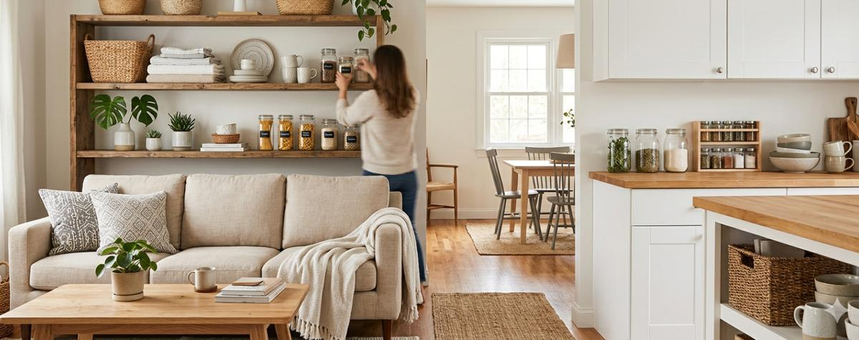
Home Habits To Help You Maintain a Tidy Home. A good way to ensure your home stays tidy is to form good daily habits. This will make your life a lot easier by ensuring that you put your stuff away, clean after eating, track your household supplies and sort out any minor maintenance issues.
However, if you don’t have a few good habits in place, you’ll quickly get overwhelmed by the amount of housework to be done. You’ll be left with a build up of dishes to wash, laundry to do, floors to clean and everything getting messy.
However, it’s not too complicated to have a simple system in place to keep your home tidy.
Daily Habits to Adopt
1. Tidy Your Home Every Morning and Evening
One of the easiest ways to keep your home looking tidy is to have a few simple daily habits in place.
Having a quick tidy up in the morning will help you get your home ready for the day ahead. Whereas having a tidy up in the evening will mean that you won’t have any unfinished tasks to do in the morning.
Don’t worry about spending too much time cleaning, just stick to the main areas of the home.
Morning
- Tidy your beds.
- Open your curtains and blinds.
- Put any items that have been left out away.
- Check your kitchen and get it ready for the day.
Evening
- Wipe your kitchen clean.
- Wash your dishes or put them in the dishwasher.
- Put your shoes, bags and clothing away.
- Fluff up your living room cushions and blankets.
- Prepare anything you’ll need for tomorrow.
Even doing this for just 10-15 minutes will make a big difference. Just ensure you don’t leave everything to do another day.
2. Tidy as You Go
A great way to make cleaning easier is by tidying as you go.
Wipe down your kitchen after cooking, rinse your dishes, put your cleaning products away and deal with any spills as soon as they happen.
This will stop any dirt or mess from building up.
The American Cleaning Institute suggests simple habits that can help prevent dirt, such as reducing clutter, wiping up food spills, and keeping your kitchen and bathroom clean and dry.
Simple habits could include:
- Wipe your stove.
- Wipe up any crumbs on your dining table.
- Rinse your sink.
- Put your toiletries away.
- Hang your towels up.
- Wipe any visible dirt off frequently used items.
Most items don’t need to be disinfected. Just a simple clean with an appropriate soap or detergent will be enough. However, if there is anyone unwell in your home, then the CDC suggest you do extra sanitization.
3. Store Commonly Used Items
A common issue with keeping your home tidy is not having specific places for commonly used items.
Your keys will be left on the kitchen counter, your remotes will be hidden in your sofas, shoes will be strewn by the door and paper will be all over your dining table.
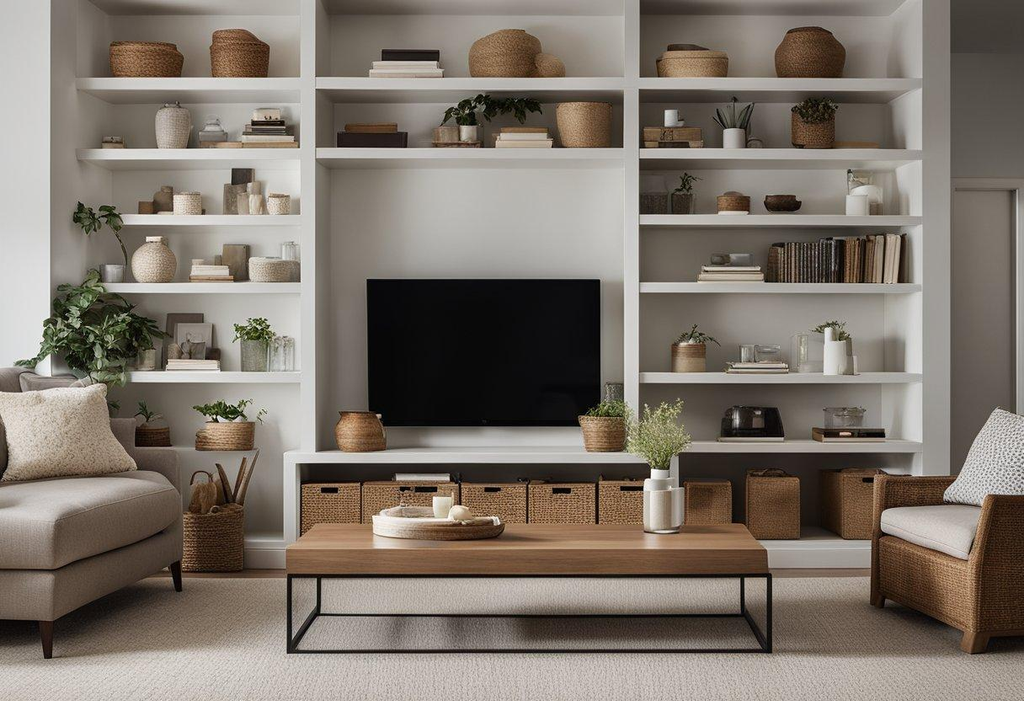
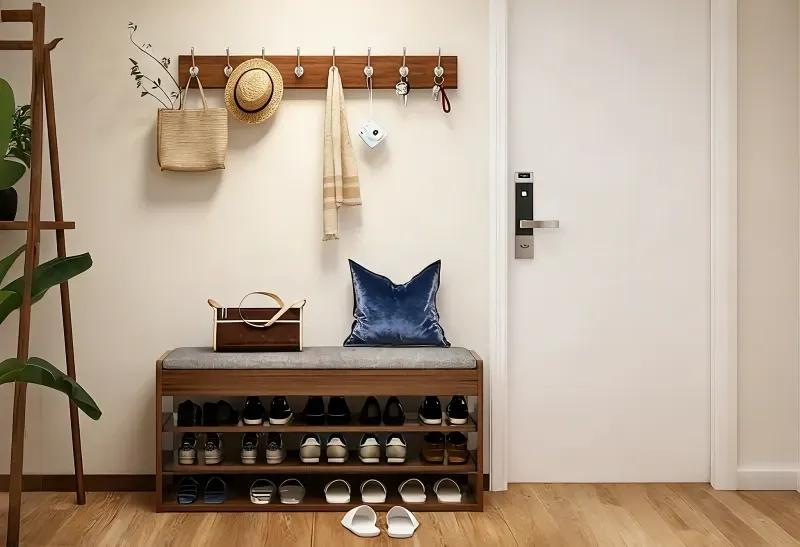
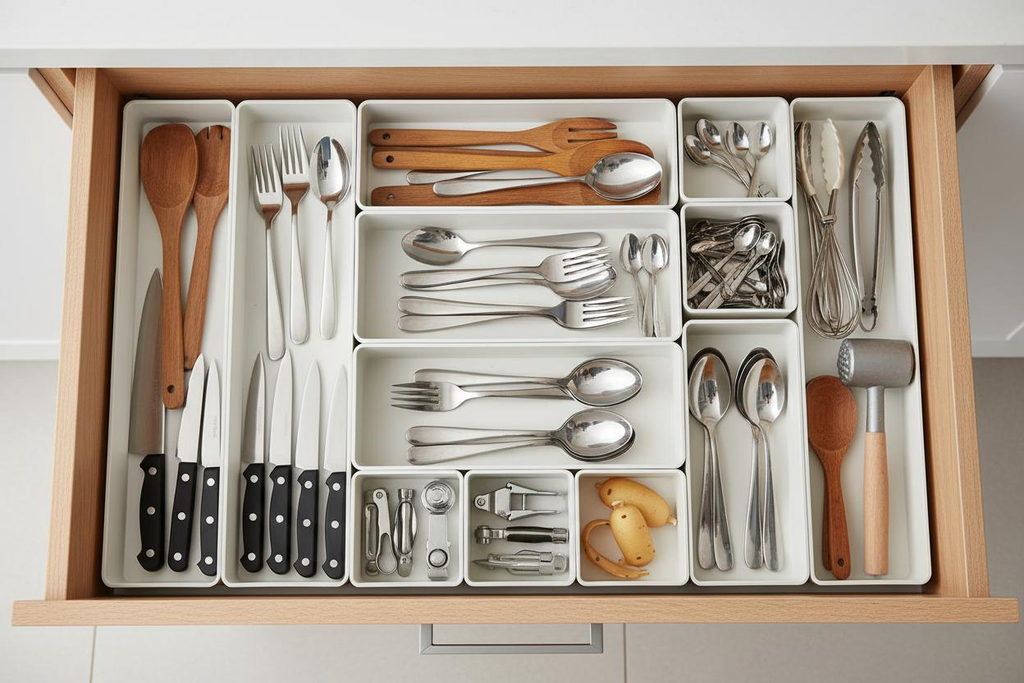
A simple habit to try is:
| Area | Good Habit |
|---|---|
| Entrance | Have a specific place for your keys, shoes, bags and mail. |
| Kitchen | Organise your utensils, pots and pans and frequently used ingredients. |
| Living Room | Use baskets to store your blankets, remotes and small items. |
| Bedroom | Have easily reachable items for daily wear. |
| Bathroom | Store your toiletries and cleaning products together. |
| Laundry Area | Have easily reachable hampers and laundry items. |
You don’t need to label everything, just ensure it’s easy for everyone in your home to find.
4. Tidy Your Kitchen
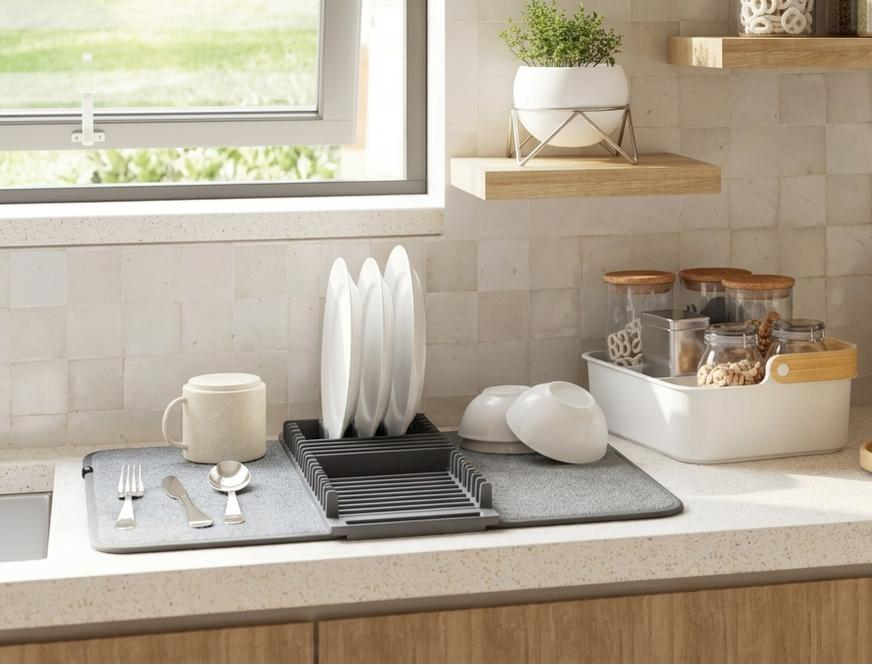
The kitchen tends to be one of the busiest areas in most homes. Having a few simple habits in place will help avoid it becoming a daily stress.
Keep your countertops clear
Store any infrequently used appliances and kitchen items. Ensure you have enough space to cook.
Wipe up your dishes
Wash your dishes straight away or put them in the dishwasher. Don’t leave them to build up in your sink.
Check your fridge
Before you go shopping check what you have that needs using soon. Throw away any spoiled food and wipe up any spills.
Plan your meals
Planning a few meals ahead will keep your shopping easier.
Keep your frequently used ingredients organised
Ensure your frequently used cooking ingredients are easy to reach. Organise your pantry so you’re using older items first.
You don’t need to spend a lot of money on storage solutions. Using clear containers, drawer organisers and organising your shelves will usually be enough.
5. Don’t Leave Laundry to Build Up
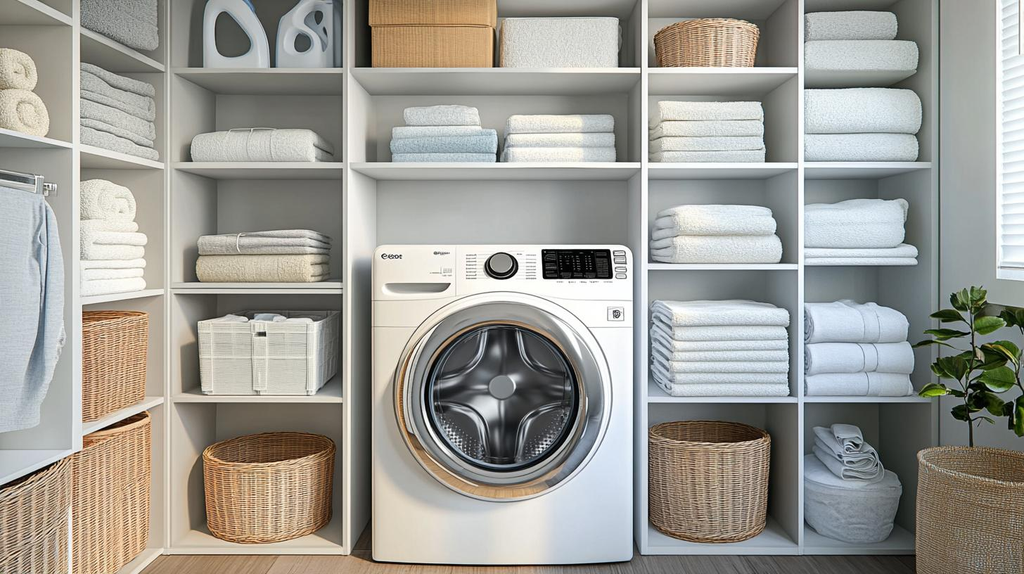
A great way to manage your laundry is to make it a regular part of your home.
Don’t leave your clothes to build up, instead have a schedule in place that suits the size of your home.
Try:
- Sorting your dirty clothes into your laundry hamper.
- Sort out any delicate items.
- Check care labels.
- Don’t overload your washing machine.
- Fold or hang your clean clothes as soon as possible.
- Return your clothes to their correct storage.
- Keep your washing powder and items organised.
If you have children, pets or a large household, you may find it more practical to do smaller, more regular loads.
It’s also a good idea to separate your clean and dirty laundry.
The EPA WaterSense guidelines suggest filling your washing machine to capacity where possible, using the right amount of washing powder and leaving the door of your front loader open after using it (depending on manufacturer instructions).
6. Weekly Clean
Although having daily tidying habits will help with minor mess, some cleaning tasks should be done on a regular weekly basis.
Rather than trying to clean your whole home in one day, split your tasks.
| Day | Cleaning Task |
|---|---|
| Monday | Dusting and wipe down frequently used areas. |
| Tuesday | Clean your bathrooms and replace used towels. |
| Wednesday | Vacuum your carpets and wipe down your floors. |
| Thursday | Organise your kitchen cupboards and check your fridge. |
| Friday | Change your bedding and tidy your bedrooms. |
| Saturday | Do your laundry and any remaining tasks. |
| Sunday | Check your supplies and prepare for the week ahead. |
This is a simple example, so you can adapt it to suit your household. Depending on how many people live in your home, how much time you have and your lifestyle.
Some tasks such as wiping your kitchen countertops, washing your dishes and dealing with visible spills should be done more regularly.
Doing a weekly routine means all your important tasks are covered without it feeling like you have to do a big clean every day.
7. Keep Your Household Products Easy to Find
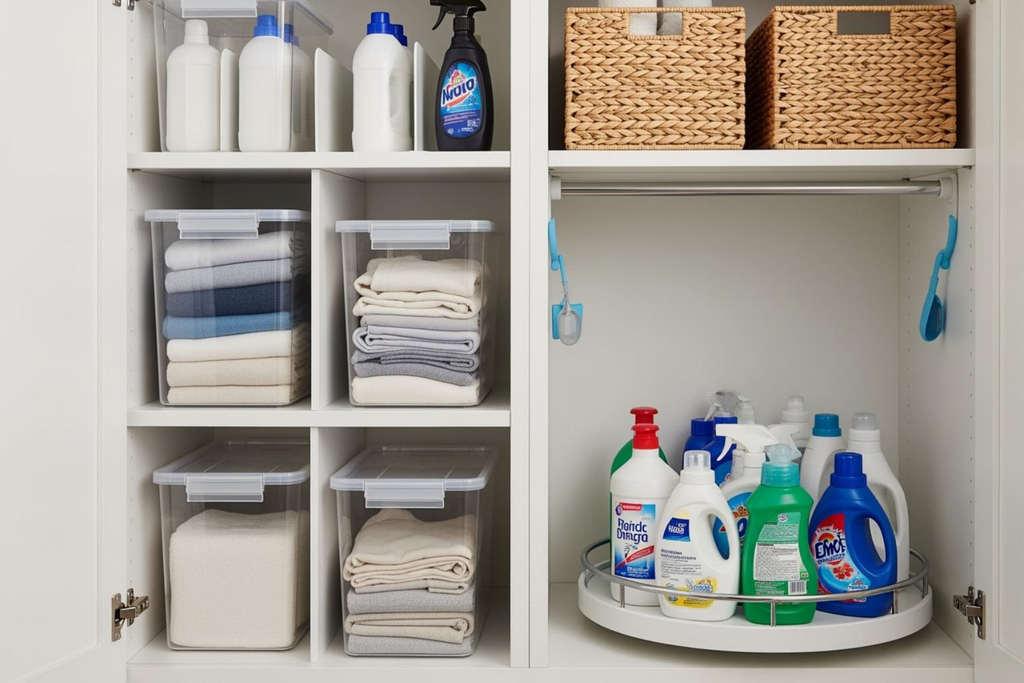
It can be frustrating when you run out of dish soap, bin bags, washing powder or toilet roll at an inconvenient time.
Having a simple system for tracking your household products will help.
Choose one area for your frequently used products and keep checking them.
Good habits to adopt could include:
- Check your essentials before going shopping.
- Group similar items together.
- Keep frequently used items easy to reach.
- Use older items first.
- Secure your cleaning products away from children and pets.
- Don’t buy in bulk unless necessary.
Keeping a small checklist on your fridge or in your pantry will help everyone remember what needs replacing.
Tool: Portable Cleaning Basket
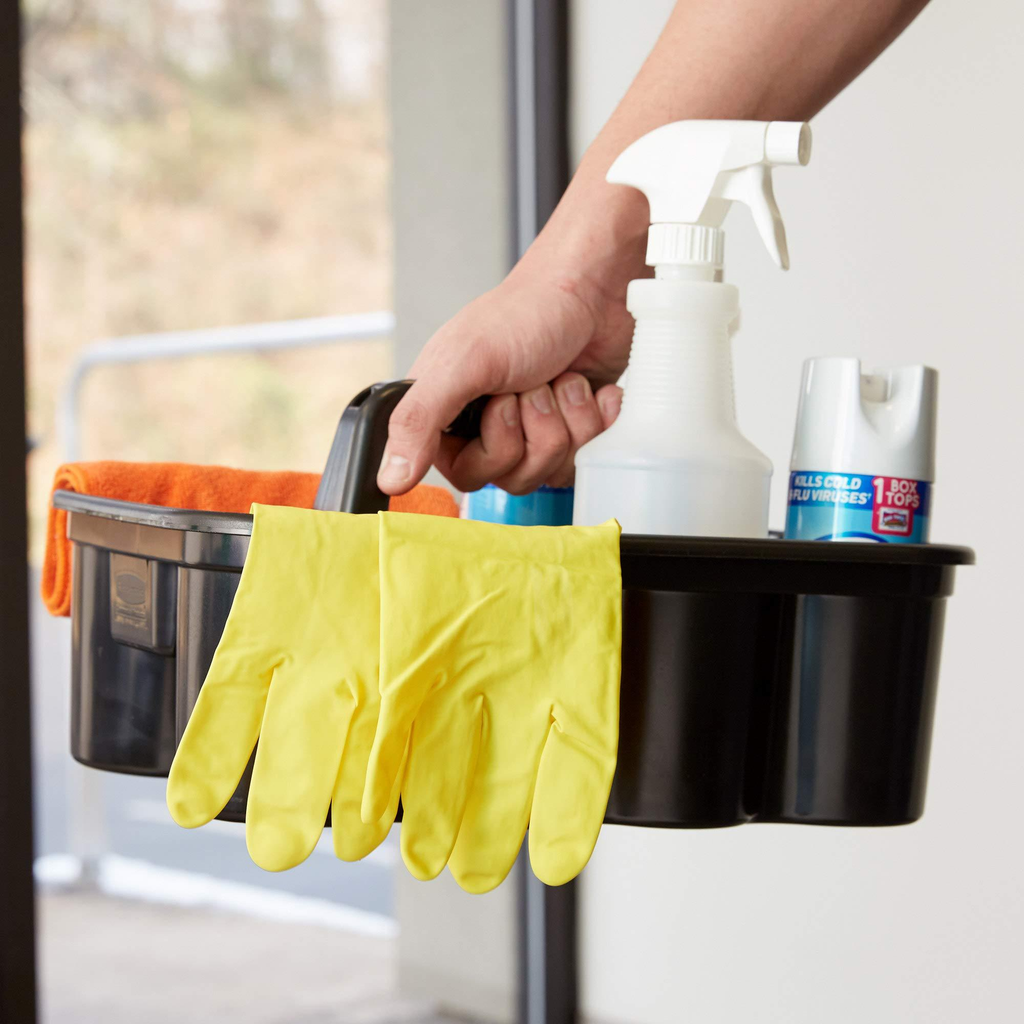
Rubbermaid Cleaning Caddy
Having a portable basket will help keep your everyday cleaning items together. This means you won’t have to search through multiple cupboards.
Pros:
- Easy to carry.
- All items in one place.
- Easy to reach.
Cons:
- Require organisation.
- May not fit larger bottles.
Best for: Regularly cleaning multiple rooms.
Price on Amazon
8. Sort Out Small Issues
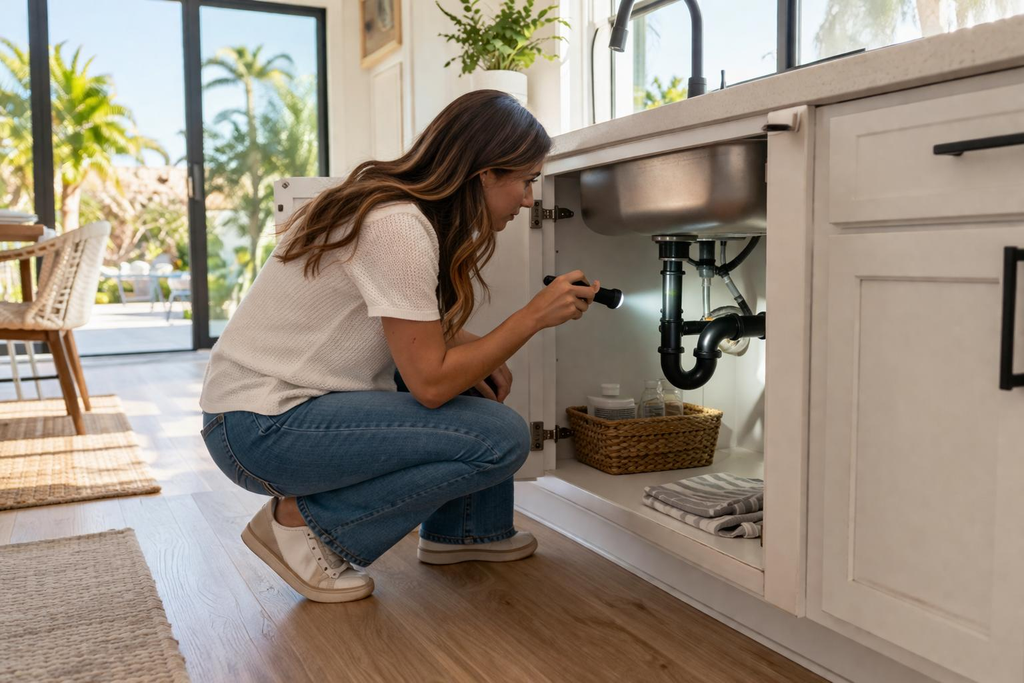
Keeping your home running smoothly isn’t just about keeping it clean. It’s important to keep your systems running.
Ignoring small issues can cause expensive issues.
A dripping tap may not seem like much of an issue, however if you don’t notice it, it can cause wasted water and damage to your nearby cupboards or flooring.
Try forming the habit of regularly checking your home. Useful habits include:
- Check under your sinks for any damp.
- Look for dripping taps and running toilets.
- Check visible pipework.
- Clean your appliance filters (follow manufacturers instructions).
- Check your fridge and dishwasher.
- Check for damaged seals on your doors and windows.
- Keep your guttering and outside drainage clear (if applicable).
- Schedule professional maintenance for large systems.
The WaterSense programme have useful tips on how to spot leaks, keep your toilet and taps running well and how to care for your water using appliances.
Create a Simple Reminder System
Not all maintenance tasks need to be done daily.
Having a monthly reminder on your calendar will help remind you to check your filters. Seasonal reminders will help with outside maintenance.
If you need to do more extensive maintenance follow the manufacturers instructions for your appliance or contact a qualified professional.
9. Keep Your Floors Tidy
Your floors will collect dust, crumbs, pet hair, outdoor dirt and general mess.
This can cause more issues to clean if left to build up, especially in your entrance, kitchen and living room.
Simple habits to adopt could be:
- Use doormats in frequently used entrances.
- Take your shoes off inside when possible.
- Sweep any visible crumbs.
- Vacuum high traffic areas.
- Wipe up any spills.
- Use appropriate floor cleaners.
If you have pets or children in your home you may need to do more spot cleaning.
Tool: Robot Vacuum
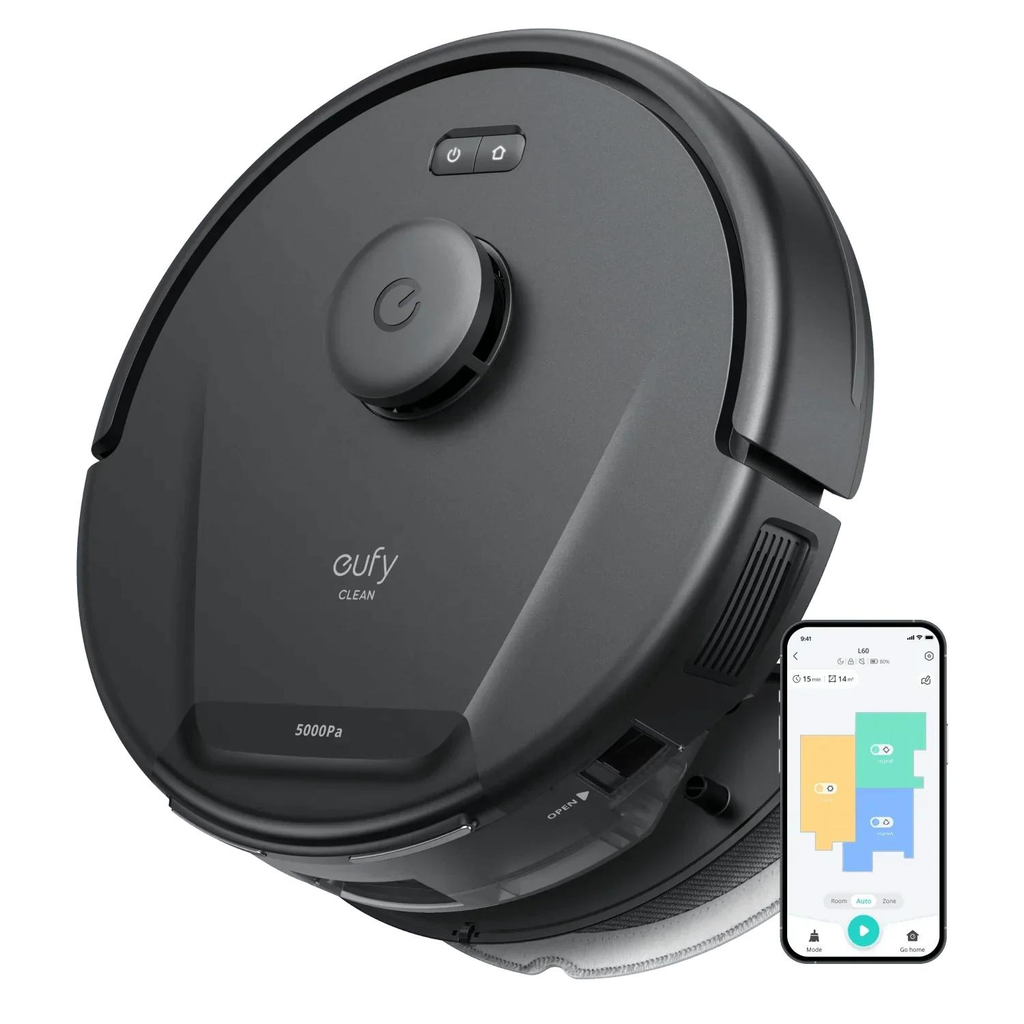
eufy L60 Robot Vacuum
A robot vacuum can help keep your floors tidy between cleaning. This is ideal if you have an open plan home and regularly get dust or pet hair.
Pros:
- Automated cleaning.
- Less frequent vacuuming required.
- Easy to keep accessible areas tidy.
Cons:
- Can’t do detailed cleaning around furniture, stairs, tight corners etc.
- May need to clear cables and small items.
Best for: Busy households wanting to keep their floors tidy.
Price on Amazon
This is not a must have item, you can easily use a standard broom, mop or vacuum.
10. Improve Your Food Habits
Managing your food will help keep your home organised.
Without a basic shopping and storage system in place, you may end up buying duplicate items, forgetting ingredients and letting perishable items go to waste.
A few simple habits could help:
Before Shopping:
- Check what you have in your fridge, freezer and pantry.
- Make a list of essential items.
- Plan what meals you’re going to have over the next few days.
- Check what ingredients you need to use first.
After Shopping:
- Store your fridge and freezer items.
- Organise your shopping so you can easily see older items.
- Organise your pantry.
- Keep your cleaning products separate from your food.
During the Week:
- Use your perishable items.
- Keep track of your leftovers.
- Wipe up any spills in your fridge.
- Check what you have before planning your next shop.
This will help you have more predictable meal times and reduce food waste.
11. Share the Workload
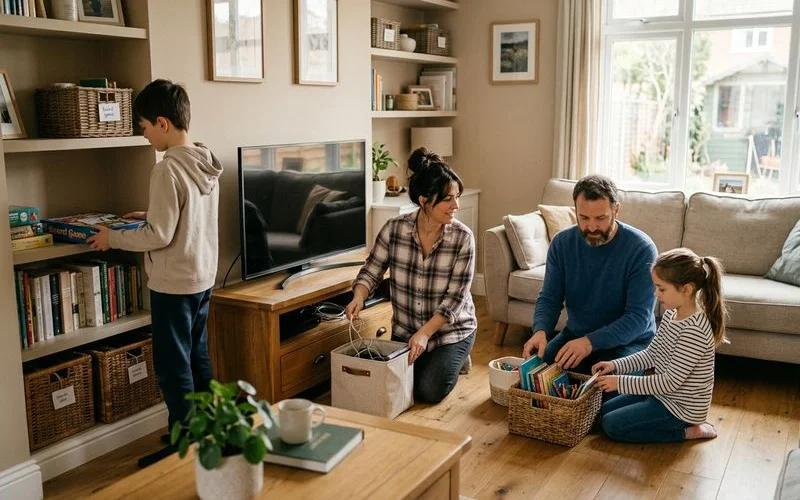
Having everyone in your home doing their part will make your home run smoother.
No one person should be responsible for remembering everything, cleaning everything and managing everything.
Even young children can help with simple tasks such as tidying up their toys, putting their clothes in the laundry and helping to clear your dining table.
A simple division of labour could be:
| Person | Responsibilities |
|---|---|
| Adults | Plan meals, go shopping, do maintenance and share cleaning. |
| Older children | Tidy bedrooms, fold laundry and help with dishes. |
| Younger children | Tidy toys. |
| Everyone | Keep your personal items organised and tidy up after yourself. |
The American Cleaning Institute emphasises that everyone should help with cleaning your home. Assigning responsibilities based on age and responsibilities.
The aim isn’t to have a strict cleaning routine, but to have an understanding that everyone should help with keeping your home tidy.
12. Save Energy in Your Home

A well managed home should also save you energy, water and other resources.
Many energy saving habits can be done with little effort and can be incorporated into your daily routine.
Try:
- Switch off lights when leaving a room.
- Use natural light.
- Only run your dishwasher and washing machine when they’re filled to the correct level.
- Don’t leave any unnecessary appliances on.
- Adjust heating and cooling to suit your needs.
- Replace inefficient lighting.
- Deal with dripping taps.
The U.S Department of Energy have checklists for daily, weekly, monthly and yearly energy use in your home. This can help you identify areas to improve.
Whilst small changes may not drastically change your utility bill, having good habits to save your resources will help you avoid wasting them.
13. Have One Place for Your Household Information
One of the most useful habits you can have in your home is having one place to keep your household information.
Otherwise you may have information spread across multiple notebooks, messages, notes on your fridge and in your paper drawers.
A simple system could include:
- Emergency contacts.
- Manuals and warranties for your appliances.
- Important contacts for your services.
- Maintenance reminders.
- Shopping and grocery lists.
- Bill dates.
- Seasonal checklists.
You could have a physical folder, a home notebook or notes app.
The key is to be consistent and everyone who needs the information will know where to find it.
Tool: Brother P-touch PT-D210 Labeller
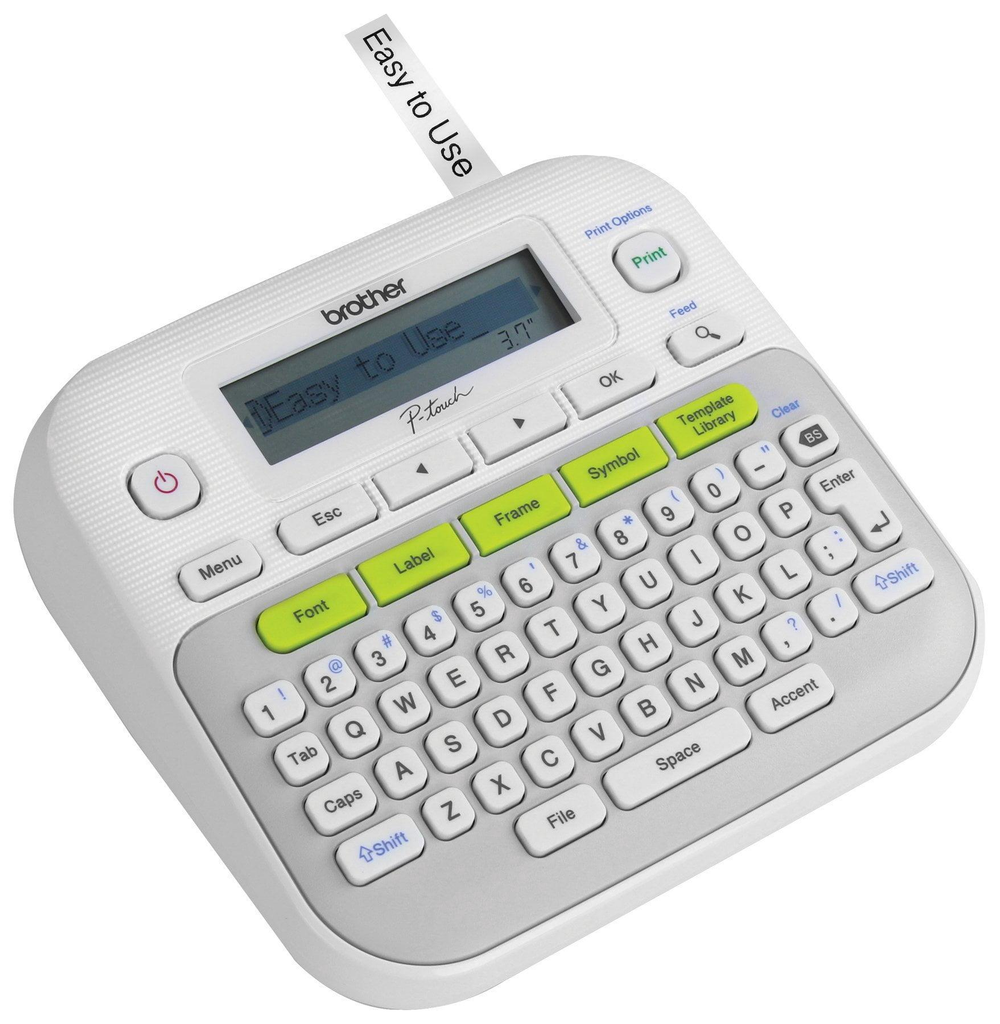
Brother P-touch PT-D210
This handheld labelling machine can help label your storage boxes, pantry items, home folders and organisation items.
Pros:
- Physical keypad.
- Customisable labels.
- Useful apps.
Cons:
- Requires label tape.
- Extra purchase that may not be necessary if you don’t have much storage.
Best for: Those who like their storage labelled.
Price on Amazon
This isn’t a must have item but can be useful if you have multiple people using your storage.
14. Get Your Home Ready for the Week Ahead
Spending a bit of time at the end of the week will help you with the next few days.
Rather than starting Monday with unfinished tasks and forgotten errands, spend some time checking what you need to do.
A simple weekly routine could include:
- Check what’s on for your family.
- Plan a few meals.
- Check what you have in your groceries and cleaning.
- Wash your essential clothes and towels.
- Organise your bags, shoes and frequently used items.
- Check what you need to do for maintenance.
- Clear any unnecessary clutter.
You don’t need to do everything in one go, but it will help you identify any potential issues.
15. Be Consistent, Not Perfect
One of the biggest mistakes people make when trying to organise their home is trying to change everything at once.
They create ambitious cleaning schedules, organise all their cupboards and try to keep their home at an unrealistic level of tidiness.
This can make the systems difficult to follow.
Stick to 2-3 simple habits and add more over time.
For example:
- Week 1 – Put your items away.
- Week 2 – Have a daily kitchen tidy.
- Week 3 – Have a regular laundry schedule.
- Week 4 – Create a weekly cleaning and maintenance checklist.
Once you’ve got into a routine it will require less thought to keep your home tidy.
Remember your home doesn’t need to be perfect to function. It just needs to work for the people living in it.
Simple Daily/Weekly Routine
If you’d like to put these ideas into practice you can use the following checklist.
Daily/Weekly Home Routine
Morning
- Make your beds.
- Open your curtains.
- Put any misplaced items away.
- Check your kitchen.
During the Day
- Clean up after cooking and eating.
- Put away frequently used items.
- Put dirty clothes in your hamper.
- Deal with any visible mess.
Evening
- Wash your dishes or put them in the dishwasher.
- Wipe your kitchen.
- Tidy your living room.
- Get your essentials ready for tomorrow.
Weekly
- Clean your bathrooms.
- Vacuum and mop your floors.
- Wash your towels and bedding.
- Check your groceries and household items.
- Check for any small maintenance issues.
You can adapt this to suit your household. Some homes may need more frequent laundry, whilst others may need more attention to pet hair, outside areas or cooking.
The best routine is one that can be realistically followed.
FAQs
1. What Are the Most Important Daily Habits?
The most useful daily habits include making your beds, washing your dishes, wiping your kitchen, putting items away, managing your laundry and keeping common areas reasonably tidy. These simple habits will help avoid any daily mess.
2. How Long Should I Spend on Tidying My Home?
There is no set time. Many households can spend around 15-30 minutes doing basic tidying. Depending on the size of your home, how many people live there and how active you are. More intensive cleaning and maintenance can be spread out over the week.
3. How Can I Keep My Home Tidy With a Busy Schedule?
Focus on short routines, cleaning as you go, frequently used areas, dividing the workload and setting specific days.
4. What Should I Do Daily?
Common daily tasks include washing your dishes, wiping your kitchen after cooking, putting away any clutter, managing your dirty laundry and dealing with any visible mess. Other tasks can be done depending on how much cleaning/maintenance they require.
5. How Often Should I Clean?
There is no one answer to this as it can vary between households. However areas that are used often will probably need to be cleaned daily. Deep cleaning can be split into weekly, monthly and seasonally.
6. How Do I Get My Family to Help?
Everyone should have clear jobs that they can do according to their age. Be realistic with your expectations and set up routine’s together such as tidying up, clearing the dishes and organising their own area.
7. What Products Can Help Me?
Some useful products could include:
- Cleaning caddies.
- Robot Vacuums.
- Label makers.
- Laundry Hampers.
- Drawer organisers.
However these aren’t essential. Having good housekeeping habits will help more.
8. How Do I Stop My House Getting Messy?
Keep commonly used items in specific places. Once you have finished using them put them back. Don’t buy unnecessary items and have a look through your items occasionally to clear out any items you no longer need.
Final Thoughts
Keeping your house running smoothly is less about making it look perfect and more about setting up systems that will help make life easier.
Simple habits such as cleaning as you go, keeping commonly used items organised, keeping on top of your laundry, checking that you have enough household items and fixing little issues can help avoid many common housekeeping issues.
You don’t need to spend a lot of money on equipment. Start with a few easy habits. Get others in the house to help and adapt as needed.
These small habits can help you create a cleaner, organised and easier to manage home.
The key is to be consistent. Keep on top of the little things!