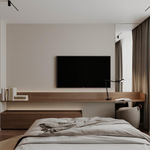
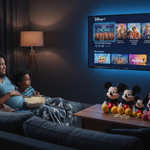
A great movie night does not require a dedicated home theater. You do not need an expensive projector or a premium surround sound system to enjoy movies at home. With a limited budget, you can create a comfortable, cinema-inspired experience using equipment you already own and a few carefully chosen upgrades.
Note: Dollar amounts in this article are illustrative examples or budget targets, not live Amazon prices. Prices change often, so check the current price on Amazon before you buy.
The best approach depends on what you have available. If you own a television, you may want to spend more on sound and seating. If you have very little equipment, a budget projector could be an option, provided your room has suitable lighting and enough space.
This guide covers practical ways to organize a movie night for under $300, including equipment choices, budget examples, and simple ideas for making your room more comfortable.
Start With What You Already Have
Before shopping, look around your home for items you can use. You may already have a television, laptop, streaming subscription, speakers, cushions, or a comfortable sofa. Using existing equipment can leave more money for the upgrades that matter most.
Not every purchase will improve your movie-watching experience equally. Prioritize the essentials rather than spending too much on decorative accessories.
A basic movie night setup usually includes:
- A screen or display that is comfortable to watch.
- A reliable source of movies and shows.
- Audio that makes dialogue easy to understand.
- Comfortable seating and suitable lighting.
- A few accessories to keep the space organized.
You do not need to buy everything on this list. A setup built around equipment you already own can be enjoyable without using the entire budget.
Three Ways to Set Up a Movie Night
Your ideal setup depends on your available equipment, room size, and viewing preferences.
| Setup style | Main priority | Best for |
|---|---|---|
| TV-based movie night | Sound and comfort | People who already own a television |
| Projector-based movie night | Display and lighting | People who want a larger projected picture |
| Shared-space movie night | Portability and simplicity | Renters, students, and people with limited space |
The budgets below are examples to help you plan. Actual prices vary by product, retailer, taxes, and delivery costs, so check the final total before buying.
Option 1: Create a Movie Night Setup Around Your Existing TV
If you already have a television, this is usually the simplest and most cost-effective approach. You can avoid buying a new display and concentrate on improving the sound, seating, and atmosphere.
Here is one example of how to distribute a $300 budget:
| Item | Target budget |
|---|---|
| Compact powered speakers or entry-level soundbar | $70 |
| Streaming device, if needed | $35 |
| Comfortable cushions or a soft blanket | $35 |
| Dimmable lamp or warm lighting | $20 |
| Snacks and drinks | $25 |
| Reserve for taxes, delivery, and price changes | $35 |
| Remaining budget for other needs | $80 |
| Total | $300 |
These are planning estimates rather than current product prices. If you already own speakers or a streaming device, you can redirect that money toward another upgrade or simply spend less.
Upgrade the Sound
Television speakers can sometimes struggle with dialogue, bass, or a sense of space. Depending on your current setup, adding compact powered speakers or a soundbar may improve the experience.
Browse compact powered speakers on Amazon.com or compare budget soundbars on Amazon.com.
Before buying, check the audio connections supported by your television. HDMI ARC or eARC, optical audio, Bluetooth, and analog connections work differently, and some systems may require additional equipment.
Room acoustics also influence how sound feels. Bare walls and hard surfaces can produce more reflections, while rugs, curtains, and upholstered furniture may help soften the sound in some rooms.
If your existing audio already sounds good, there is no reason to replace it just for movie night.
Add a Streaming Device Only If Necessary
An external streaming device can be useful if your television lacks the apps you want or its built-in platform no longer works well.
Compare TV streaming devices on Amazon.com and consider supported services, resolution, Wi-Fi requirements, and remote-control features.
Check your television first. If it already runs your preferred streaming apps reliably, buying another device may not provide enough benefit to justify the cost.
Option 2: Build a Budget Projector Movie Night
A projector can create a large picture without requiring a large television. It may be particularly useful when you want a temporary entertainment setup or enjoy watching movies on a bigger screen.
However, projectors depend heavily on room conditions. Ambient light can reduce image visibility, and inexpensive models may have limitations involving brightness, resolution, focus, and built-in speakers.
A possible budget allocation looks like this:
| Item | Target budget |
|---|---|
| Entry-level projector | $150 |
| Projection screen or suitable existing wall | $25 |
| External speaker, if needed | $35 |
| HDMI cable or connection accessories | $15 |
| Lighting and comfort items | $25 |
| Snacks and drinks | $20 |
| Reserve for price changes and extra costs | $30 |
| Total | $300 |
This plan assumes you can find a suitable projector within the target price. It does not guarantee that every model in this range will deliver satisfactory picture quality.
Choose a Projector With Realistic Expectations
Do not choose a projector based on its advertised screen size alone. Specifications and actual performance matter more than promotional claims.
When comparing models, consider:
- Native resolution: This indicates the resolution the projector actually displays, rather than a format it merely accepts.
- Brightness: Look for credible brightness specifications and consider how dark your room can become.
- Focus and image adjustment: Check whether the projector can produce a clear image at your intended distance.
- Connectivity: Make sure it works with your laptop, streaming device, or other video source.
- Fan noise and built-in audio: These can affect the viewing experience in a small room.
Compare budget home projectors on Amazon.com and review the specifications carefully. A low price is less appealing if the picture is too dim or blurry for your room.
Do You Need a Separate Projection Screen?
Not necessarily. A smooth, light-colored wall may be sufficient for casual viewing if you already have a suitable surface.
The wall’s color, texture, and finish can affect the picture. A dark or heavily textured surface may produce a less satisfying result than a smooth, light-colored one.
If you need a dedicated surface, explore portable projector screens on Amazon.com. Measure your available wall space before choosing a screen size.
Keep the overall cost in mind. If a screen consumes too much of your budget, it may make more sense to use a suitable wall and spend the savings on better display equipment.
Find the Right Projector Position
A projector needs enough distance from the projection surface to create the desired image size. The exact distance depends on the model’s throw ratio and lens design.
Before buying, check the manufacturer’s recommended projection distance and make sure your room can accommodate it. Also position the projector where people will not accidentally kick it or walk through the beam.
Reduce ambient light where possible, and avoid placing lamps where their light falls directly onto the projected image.
Option 3: Create a Comfortable Movie Atmosphere
You do not need to purchase a projector or a new television to make movie night feel special. Sometimes, changing the arrangement of your room and improving comfort can have a bigger impact than buying more equipment.
Make Seating Comfortable
Use the sofa, bed, or chairs you already have. Rearrange the furniture so everyone has a clear view of the screen and enough space to sit comfortably.
If you need extra seating, compare large floor cushions on Amazon.com. Choose a size that can be stored away after the movie rather than leaving it in a walkway.
Pay attention to posture during longer films. Support your back and neck, avoid awkward viewing angles, and change position occasionally if you are watching for several hours.
Get the Lighting Right
A darker room generally helps a projector produce a more visible image. With a television, reducing reflections from lamps and windows can make the picture easier to see.
You can often improve the lighting without buying anything. Close the curtains, switch off bright overhead lights, and move lamps that create glare.
For a softer atmosphere, browse dimmable warm LED table lamps on Amazon.com.
Keep any lamp away from the screen’s direct line of sight. If you want candlelight, battery-operated candles can be a convenient alternative to open flames around curtains, bedding, and other furnishings.
Keep Snacks Simple
Popcorn, a few favorite treats, and drinks are often enough for a movie night. You do not need a dedicated snack station or a popcorn machine to make the evening enjoyable.
Use kitchen bowls and serving trays you already own instead of buying themed accessories. Keep drinks away from electronics and power outlets, and place snacks where they will not spill onto cables or equipment.
Useful Accessories for a Movie Night Setup
Accessories can improve convenience, but they should come after the screen, sound, and seating are taken care of.
- HDMI cable: Useful for connecting compatible laptops, streaming devices, televisions, and projectors. Compare HDMI cables on Amazon.com and choose a suitable length.
- Cable organizer: Helps keep wires tidy and reduces clutter around furniture. Browse cable management accessories on Amazon.com.
- Remote-control holder: Useful if you have multiple devices and remotes. Explore remote-control organizers on Amazon.com.
- Soft throw blanket: Adds comfort without requiring new seating. Compare soft throw blankets on Amazon.com.
You do not need to purchase everything. Choose accessories that solve a specific problem in your space.
Common Mistakes to Avoid When Working With a $300 Budget
Even a modest budget can be wasted if you focus on the wrong upgrades.
Choosing a Projector Only Because It Is Cheap
An inexpensive projector may look attractive in an advertisement but disappoint in everyday use. Check its native resolution, brightness, connectivity, and focus options before purchasing.
If you already have a decent television, improving your existing setup may deliver better results for the money.
Spending Too Much on Decorations
Lighting and cushions can improve the atmosphere, but they cannot compensate for an unclear picture or poor audio. Prioritize the main viewing equipment before buying decorative extras.
Ignoring Device Compatibility
Check that your television or projector can connect to your chosen streaming device and speakers. You may need a particular cable, adapter, or audio transmitter, and these additional costs should be included in your budget.
Subscribing to Too Many Streaming Services
Monthly subscriptions can make a low-cost setup more expensive over time. Review the services you already use before signing up for another platform.
Streaming subscriptions are separate from your equipment budget, so consider ongoing costs when planning your movie nights.
Forgetting Taxes and Delivery
The advertised product price may not be the final amount you pay. Reserve part of the budget for taxes, delivery, and any necessary accessories rather than spending the entire $300 on the listed prices.
Buying Equipment That Is Too Large for the Room
Large speakers, subwoofers, and bulky furniture can occupy valuable space. Choose equipment that suits your room and listening habits instead of buying a large system simply because it appears more impressive.
A Practical Checklist Before You Spend
Before completing your purchases, ask yourself:
- Do I already own a suitable television or display?
- Is my current audio good enough, or does it need an upgrade?
- Will a projector work in my room’s lighting and available distance?
- Are all my devices compatible with each other?
- Can I reuse furniture, cushions, and other accessories?
- Have I accounted for taxes, shipping, and additional cables?
- Will the total remain below $300?
- Am I buying something useful rather than something decorative?
These questions can help you avoid unnecessary spending while keeping your setup practical.
Final Thoughts on Creating a Movie Night Setup for Under $300
A movie night setup under $300 is achievable when you build around the equipment you already own. If you have a television, you can focus on sound, lighting, and comfort. If you want a larger projected picture, a budget projector may be worth considering, provided it suits your room and expectations.
Prioritize the essentials before spending money on extras. A clear picture, understandable dialogue, comfortable seating, and manageable lighting can make a bigger difference than an expensive collection of accessories.
The best setup is not the one with the most equipment. It is the one that fits your space, keeps your spending under control, and makes it easy to enjoy your favorite movies at home.
Amazon Affiliate Disclosure: As an Amazon Associate, I earn from qualifying purchases. If you click on an Amazon.com link in this article and make a purchase, I may earn a commission at no additional cost to you.