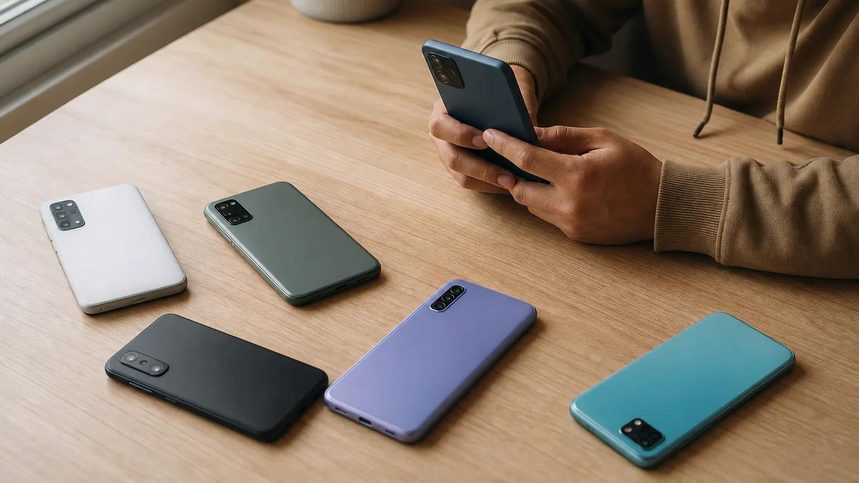
The first few hours of using a new smartphone can give a misleading sense of what to expect. A bright display, a clean interface, and a responsive touchscreen can make even an ordinary recent phone feel impressive. The true test comes after the novelty wears off and the device is used for everyday activities such as work, navigation, photography, entertainment, and communication.
Midrange smartphones are interesting because they generally cost less than flagship models while offering many of the features people use regularly. But can these devices satisfy someone who relies on a smartphone every day without creating a desire to spend more?
A thirty-day evaluation provides a useful way to understand what to expect from a midrange smartphone. Instead of focusing exclusively on specifications, it is worth examining the finer details: battery life, app performance, camera quality, display comfort, and available storage.
This is not a review of a specific phone or a claim based on a month of ownership. It is a practical guide to evaluating a midrange smartphone and understanding which features matter over time.
Week One: Getting Comfortable With the Basics
During the first week, most attention goes to the obvious details. Some users prioritize responsiveness and whether applications remain open when switching between them. Others focus on display quality, typing comfort, and how easily they can navigate the operating system.
For everyday activities such as messaging, email, web browsing, video streaming, and social media, many modern midrange smartphones provide a satisfactory experience. Differences between midrange and flagship devices tend to become more apparent during demanding tasks.
Opening a messaging app may feel equally quick on two phones, but repeatedly switching between a browser, camera, and several resource-intensive applications can reveal differences in performance and memory management.
The first week is also a good time to configure the phone’s settings. Disabling unnecessary notifications, setting up automatic backups, and adjusting the display refresh rate can improve the experience without additional spending.
During the first week, consider these questions:
- Does the phone handle everyday tasks quickly?
- Is the display easy to read indoors and outdoors?
- Is the phone comfortable to hold and use with one hand?
- Are the speakers clear enough for calls and videos?
- Is there sufficient storage for applications, photos, and other files?
First impressions matter, but they should not determine your entire opinion of a device. A phone that seems delightful during the first few hours may reveal limitations after several days of regular use.
Week Two: Battery Life Becomes a Daily Habit
Battery life is one of the easiest aspects of a smartphone to overlook. Specifications may suggest that a device will perform exceptionally well, but what matters most is whether it lasts through your usual day and can be recharged conveniently.
During the second week, pay close attention to battery performance under your normal usage pattern. Someone who spends hours watching videos has different requirements from someone who primarily uses a phone for messaging and email.
Display brightness, cellular signal strength, background applications, and refresh-rate settings can all influence battery consumption. Your daily routine will ultimately determine whether the phone’s battery is sufficient.
Avoid judging battery life based on a single day of heavy use. Instead, observe performance over several ordinary days. Can you get through the day without searching for an outlet in the afternoon?
Fast charging can also be convenient. Check how much additional runtime a short charging session provides and whether the phone supports wireless charging if that feature matters to you.
If you need an additional charger, browse USB-C phone chargers on Amazon.com. Charging speeds vary, so verify the charger’s power output and compatibility with your specific device before purchasing.
A midrange smartphone does not need extraordinary battery life to be a good choice. It needs consistent performance that keeps up with your routine.
Week Three: The Camera Has to Handle Real Life
A smartphone camera does not always perform equally well in every situation. Capturing a good photograph on a bright day may be straightforward, but dim lighting, moving subjects, and distant objects can be more challenging.
By the third week, you may have taken plenty of photographs, but the most useful assessment comes from testing the camera in less forgiving conditions.
Midrange cameras can perform well in good lighting, while differences between models often become more noticeable when subjects move or the lighting becomes difficult.
Consider several aspects of everyday photography:
- Indoor photography: Are images clear without excessive noise or unnatural colors?
- Moving subjects: Can the camera capture children, pets, or people without excessive blur?
- Low-light photography: Does it preserve useful detail without making dark scenes look artificial?
- Portraits: Are skin tones natural, and does background separation look convincing?
- Video recording: Is stabilization adequate, and does the audio sound clear?
Zoom can also matter, but advertised magnification does not guarantee good image quality. Digital cropping can significantly reduce detail, especially when zooming in heavily.
If you regularly make video calls or record content, test the front camera as well.
The goal is not to find a midrange smartphone that rivals every flagship camera. It is to find a device that reliably produces photographs and videos suitable for your everyday needs.
Week Four: Performance, Storage, and Small Annoyances
The fourth week is a good time to examine the details that may not be obvious during the initial setup.
Memory management is one consideration. Applications you expect to return to may reload when you switch between several tasks. Even when a phone has enough processing power for everyday activities, this behavior can affect convenience.
Storage can become another issue. Photos, videos, downloaded files, offline maps, message attachments, and applications all consume internal space. Anyone who takes many photographs or downloads large files should consider choosing a phone with sufficient storage capacity.
It is also worth checking whether the device supports expandable storage. A memory card can be useful on compatible phones, although many newer models do not include a card slot.
Pay attention to heat, too. Some warmth during charging, gaming, or demanding tasks is normal, but a phone that repeatedly becomes unusually hot during light use deserves closer investigation.
Finally, consider the software experience. Are notifications delivered reliably? Are the settings easy to find? Does the manufacturer provide dependable security updates and long-term support?
These small details can accumulate over time and influence how satisfied you feel with a device.
Where a Midrange Phone Can Feel Like a Flagship
The differences between midrange and flagship smartphones are less significant for some everyday activities than others.
| Everyday activity | What matters most |
|---|---|
| Messaging and email | Reliable performance, comfortable typing, and consistent notifications |
| Browsing and social media | Display quality, smooth scrolling, and stable connectivity |
| Video streaming | A good display, clear speakers, and dependable battery life |
| Everyday photography | Consistent image processing and reliable autofocus |
| Navigation | Accurate GPS, readable display, and good battery life |
| Video calls | Front-camera quality, microphone performance, and connectivity |
| Light gaming | Stable performance, responsive controls, and manageable heat |
For many users, a capable midrange phone can handle these activities comfortably. A flagship is not automatically a better purchase if its additional capabilities make little difference to your routine.
The important distinction is between features you actually use and features that simply look attractive on a specification sheet.
Where You May Notice the Compromises
Midrange smartphones do involve compromises. The question is whether those limitations are worth accepting for the lower price.
Some models use less advanced camera sensors or omit dedicated telephoto cameras. Others have less powerful processors, slower storage, or displays that are not as bright as those found on premium devices.
Build materials can differ as well. A phone with a plastic frame or back may feel less luxurious than one made with premium materials, although material choice alone does not determine durability.
Other differences may include wireless charging, water-resistance ratings, speaker quality, and software-support duration.
None of these limitations automatically makes a midrange phone undesirable. Their importance depends on your needs.
A telephoto camera may be unnecessary if you rarely photograph distant subjects, but its absence could be frustrating if you regularly photograph sporting events or concerts. Wireless charging may not matter if you always use a cable, but it could be a significant inconvenience if you rely on wireless charging at home and work.
The key to finding a good midrange smartphone is not avoiding every compromise. It is identifying which compromises you are unlikely to notice.
Accessories That Can Improve the Experience
It is not always necessary to spend extra money on accessories after buying a midrange phone. However, a few carefully chosen additions can make everyday use more convenient.
A protective phone case: A case can help protect a phone against everyday scratches and some impacts. Browse smartphone cases on Amazon.com and make sure the selected product fits your exact phone model.
A screen protector: If you carry your phone in a pocket or bag with other objects, a screen protector may help reduce scratches. Explore phone screen protectors on Amazon.com and check model compatibility before ordering.
A power bank: A portable battery can be useful for people who travel frequently or spend long periods away from a power outlet. Browse USB-C power banks on Amazon.com and compare capacity, charging output, size, and compatibility.
An accessory is worth purchasing when it solves a real problem. A protective case and a reliable charger may be sufficient for many users.
How to Get the Most Out of a Midrange Phone for a Month
A thirty-day evaluation is most useful when you approach it systematically. Instead of relying on vague impressions, track the features that influence your daily routine.
Use the phone normally during the first few days. Avoid changing too many settings at once, since doing so can make it harder to identify what affects performance and battery life. Set up your accounts, install essential applications, and configure automatic backups.
Next, test the features you rely on most. If you frequently take photographs at night, assess low-light performance. If you depend on navigation, check display visibility in different lighting conditions and observe how quickly the battery drains.
At the end of the month, ask yourself three questions:
- What does the phone do well? Identify the features that consistently satisfy your expectations.
- What frustrates you? Separate minor inconveniences from limitations that affect your daily routine.
- Would spending more have solved a real problem? Consider whether a flagship’s additional features would have meaningfully improved your experience.
This approach can help you make a more informed decision when choosing your next smartphone.
Frequently Asked Questions
Can a midrange phone last for several years?
Yes, depending on the model, battery condition, physical care, and software support. Research the manufacturer’s update commitment and consider whether the phone has enough storage and performance for your expected needs.
Is a midrange phone good enough for everyday photography?
Many midrange smartphones can produce good photographs in suitable lighting. Differences often become more noticeable in challenging conditions, including low light, fast-moving scenes, and long-distance zoom photography.
Will a midrange phone become slow after a month?
One month is not enough to determine long-term performance, but installing applications and filling the storage can reveal potential limitations. Keep the software updated and maintain sufficient free storage.
Should I buy a midrange phone instead of a flagship?
A midrange phone may be sufficient if you primarily use messaging, web browsing, social media, navigation, photography, and video streaming. A flagship may justify its higher price if you need advanced camera capabilities, demanding gaming performance, or premium features unavailable on less expensive models.
What should I prioritize when choosing a midrange phone?
Focus on battery life, display quality, dependable performance, camera consistency, sufficient storage, and long-term software support.
The Final Verdict
Living with a midrange phone for thirty days is a useful way to understand what you genuinely need from a smartphone. The initial excitement of a new purchase eventually fades, leaving the everyday details that determine whether a device remains satisfying to use.
Many midrange smartphones can provide a dependable experience without the cost of a flagship. However, it is important to understand their limitations and choose a model that matches your habits rather than assuming that more expensive specifications are always necessary.
Ultimately, a smartphone should make your daily activities easier. If a midrange phone handles your routine reliably, spending more becomes a choice rather than a necessity.
Amazon Affiliate Disclosure: I earn from qualifying purchases made through the Amazon links in the content below.