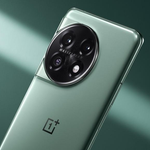
Nothing Phones is a technology company that develops smartphones, audio devices, and applications with a distinctive design. Instead of concealing every detail behind a conventional-looking cover, the brand uses transparent-inspired materials, geometric patterns, unique lighting, and minimalist software.
But what makes this approach different, and does it offer any practical benefits for consumers?
What Is Nothing?
Nothing is a technology company that develops smartphones, audio devices, and software. The brand focuses on creating a more personalized and engaging experience that differentiates its products from the thousands of similar devices on the market.
The company believes that technology has become repetitive, with smartphone manufacturers releasing devices that often share similar designs and incremental upgrades, including improved displays, cameras, and processors. Nothing attempts to address this by rethinking both the physical design and the user experience.
Its products feature transparent-inspired designs, custom lighting, and a minimalist software interface. These elements create an industrial appearance intended to highlight the technology behind the devices.
You can learn more about the brand on the official Nothing About Us page.
Why Do Nothing Phones Have Transparent Backs?
Many Nothing smartphones feature a transparent-inspired design that makes them look different from most conventional phones. Rather than hiding every visual detail behind a plain exterior, the company incorporates patterns and component-like elements into the rear design.
There are several reasons behind this approach.
First, it makes the product more visually engaging. Geometric patterns, lines, and screw-like details create an industrial appearance that resembles machinery rather than traditional consumer electronics.
However, consumers should not expect to see every internal component directly. Some visible details are part of the design, while the actual hardware remains protected inside the device.
Second, the distinctive appearance makes Nothing phones easier to recognize. Smartphone manufacturers compete for attention through features such as display quality, camera performance, and processing power. Nothing adds another point of differentiation by making the exterior itself a recognizable part of the brand.
This approach will not appeal to everyone. Consumers who prefer conventional smartphone designs may find the details unnecessary, while others may appreciate the more unusual appearance.
Finally, the transparent-inspired design changes how people perceive the device. Instead of looking like another glass-backed smartphone, it emphasizes the engineering aesthetic and makes technology feel more approachable.
It is important to remember that an interesting rear design does not automatically make a phone easier to repair, more durable, or more advanced than competing devices.
What Is the Glyph Interface?
Another distinctive feature of Nothing smartphones is the lighting on the back of compatible devices. Known as the Glyph Interface, it uses lights for selected notifications, visual alerts, charging indicators, and other supported functions.
The idea is to give users another way to interact with their phones without constantly checking the screen.
For example, a supported notification may trigger a lighting pattern when the phone is placed face down on a desk. Depending on the model and available features, users may also be able to customize lighting for particular contacts or use it for timers and other activities.
Not every Nothing phone offers the same Glyph capabilities. Some functions are model-specific or depend on software support.
For more details, visit the official Glyph Interface support page.
Does the Glyph Interface Make the Phone More Useful?
Its usefulness depends on how you use your phone.
For people who regularly place their devices face down, rear lighting can provide a convenient way to notice selected alerts without picking up the phone. It may also help users identify certain activities at a glance.
However, someone who keeps their phone face up may rarely benefit from the feature. Lighting can also become distracting when concentrating on work or relaxing in a dark room.
The Glyph Interface is best understood as an alternative way to interact with supported phone functions rather than an essential feature for everyone.
Why Does Nothing’s Software Look So Different?
Nothing extends its design philosophy beyond the phone’s physical appearance. Its software uses custom typography, icons, widgets, and layouts to create a recognizable interface.
The minimalist approach aims to provide a consistent visual experience without making everyday tasks unnecessarily complicated.
Nothing also offers personalization options, including widgets and other interface elements. The available features depend on the particular phone and software version.
You can explore the company’s software approach on the official Nothing OS website.
Does Minimalist Software Mean Fewer Options?
Not necessarily. A minimalist interface can still support everyday smartphone activities such as communication, photography, navigation, and app management.
The main difference lies in how information is presented and how users interact with the interface. Personalization options also vary depending on the device and software version.
Although Nothing emphasizes customization, the available options may not satisfy everyone. Some users may prefer a different layout or more control over particular visual elements.
Is Nothing OS Better Than Other Interfaces?
There is no universally best smartphone interface. Each operating system has its own strengths and weaknesses, and the right choice depends on individual preferences.
Nothing OS may appeal to people who appreciate a distinctive appearance and a clean, customizable interface. Others may prefer the software experience offered by different Android manufacturers.
The best way to evaluate it is to consider which features you use regularly and whether the interface suits your habits.
Is the Unusual Design Only About Style?
Nothing’s design combines visual identity with some practical functionality. The transparent-inspired back, Glyph Interface, and custom software each serve a different purpose.
| Design feature | Main purpose |
|---|---|
| Transparent-inspired back | Creates a distinctive industrial appearance |
| Glyph Interface | Provides selected visual alerts and indicators |
| Custom software design | Creates a recognizable and consistent interface |
| Geometric details | Emphasize the engineering aesthetic |
Each feature offers a different level of practical value. The transparent-inspired back is primarily about appearance and brand identity. It does not automatically improve performance, versatility, or battery life.
The Glyph Interface can be useful for some people but unnecessary for others. Similarly, the minimalist software experience is a matter of personal preference.
What Are the Downsides of Nothing’s Design?
Although Nothing’s design helps its products stand out, it also has potential drawbacks.
1. The Appearance May Not Suit Everyone
Some consumers prefer a simple, conventional smartphone with an opaque back and minimal decorative elements. For them, the geometric patterns and transparent-inspired styling may feel unnecessary.
Ultimately, the appearance is subjective and depends on personal taste.
2. Glyph Lighting Can Be Inconvenient
The Glyph Interface can provide visual notifications without requiring users to interact with the screen. However, lighting may be distracting in dark environments or when users want to minimize interruptions.
The value of the feature also depends on the functions supported by the particular phone. If you rarely use the available lighting features, they may offer little practical benefit.
3. A Protective Case May Hide the Design
The distinctive rear panel is one of the main reasons people choose Nothing phones, but a protective case can cover some of those details.
A clear case can help preserve the original appearance while adding a layer of protection. However, cases may add thickness and can become scratched or discolored over time.
You can find compatible options by browsing clear Nothing phone cases on Amazon.com.
Check the exact phone model before purchasing. A case designed for one model may not fit another because of differences in dimensions, camera placement, and button positions.
4. Design Should Not Be the Only Buying Consideration
A distinctive appearance is only one part of a smartphone’s overall value. Buyers should also compare camera performance, battery life, software support, durability, repair options, and price.
Nothing’s visual identity may be appealing, but it should not replace a careful evaluation of the features that matter most to you.
Is Nothing Different From Other Smartphone Brands?
Many smartphone manufacturers compete through camera systems, performance, battery life, software features, and ecosystem integration. Nothing also competes in these areas, but its transparent-inspired styling and Glyph Interface give the brand a recognizable identity.
Its approach places considerable emphasis on the overall user experience and the way technology looks and feels.
However, this does not mean Nothing phones are automatically better than competing products. Phones from Apple, Samsung, Xiaomi, and other manufacturers may offer advantages in specific areas, depending on the models being compared.
The most useful comparison is between individual phones and their features rather than brand identities alone.
Who Should Consider a Nothing Phone?
Nothing may be worth considering if you:
- Prefer an industrial design over the conventional appearance of most smartphones.
- Enjoy customizing your phone’s interface.
- Like the idea of rear lighting for supported notifications and functions.
- Want a recognizable design without relying on a prominent logo.
- Are willing to compare technical specifications rather than choosing a phone based on appearance alone.
On the other hand, Nothing may not be the right choice if you prefer a traditional design, have little interest in the Glyph Interface, or prioritize camera capabilities, battery performance, software support, and price above appearance.
The right decision depends on your needs and the specific model you are considering.
Final Thoughts
Nothing’s transparent-inspired backs, Glyph Interface, and minimalist software help the brand stand out in a smartphone market where many devices look similar.
Some of these design choices offer practical benefits, particularly the Glyph Interface, while others primarily contribute to the product’s visual identity. Their value depends on how you use your phone and what you expect from it.
If you’re considering a Nothing smartphone, evaluate its camera, battery, software support, performance, and price alongside its appearance. The distinctive design may be a compelling reason to consider the brand, but the phone should also meet your everyday needs.
Reduce repeated design explanationsStrengthen Amazon product integration
Amazon Affiliate Disclosure: As an Amazon Associate, I earn from qualifying purchases. If you click on an Amazon.com link in this article and make a purchase, I may earn a commission at no additional cost to you.